
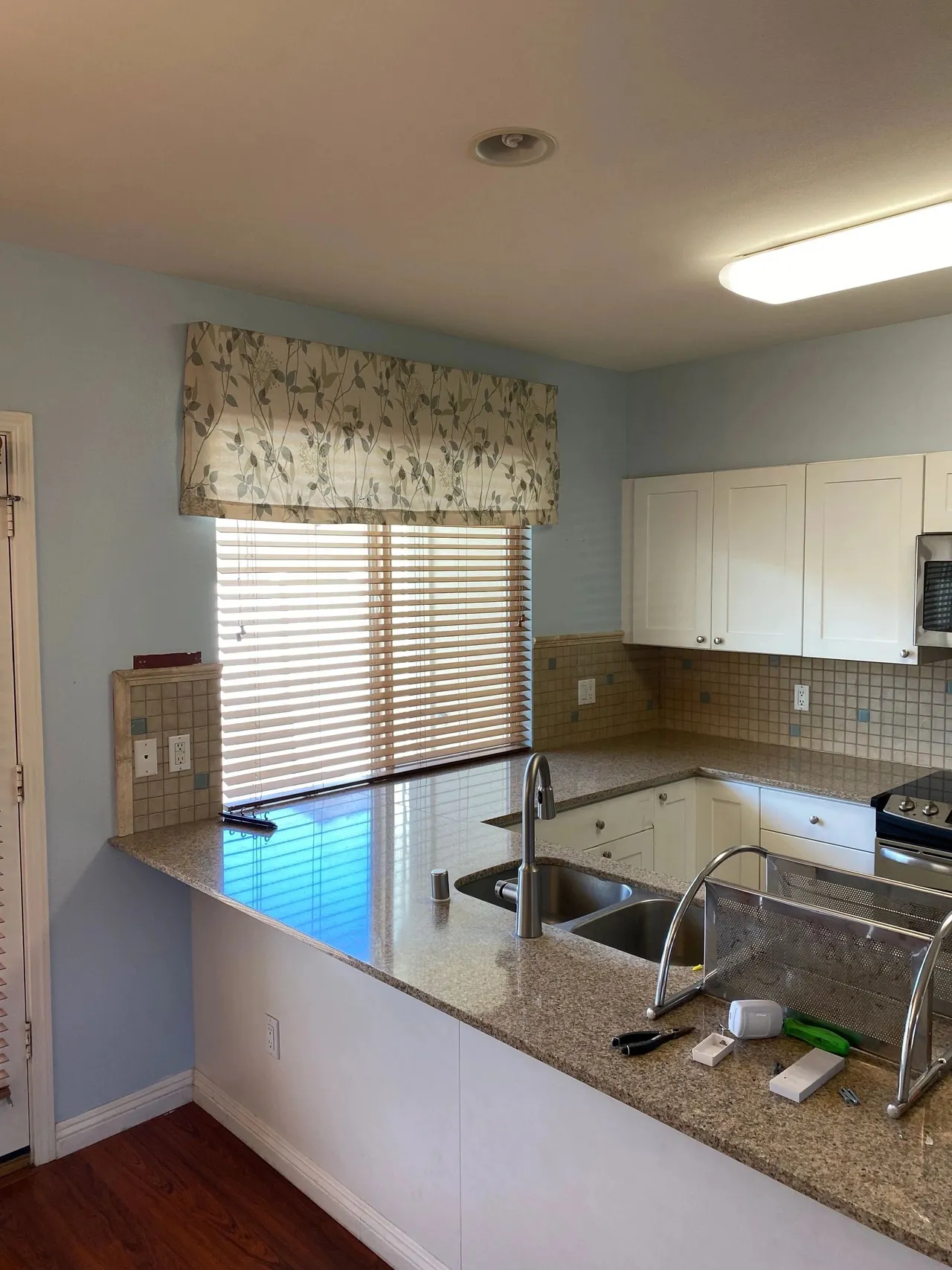
Captivating Beginnings: Transform Your Home with the Right Colors
Imagine walking into a room that instantly lifts your mood and sets the perfect tone for your day. The choice of paint colors plays a pivotal role in defining the personality and ambiance of your home. This guide opens up a world of possibilities, equipping you with actionable tips to select hues that enhance both style and functionality. In this section, you’ll discover how thoughtful color decisions can control room dynamics, influence natural light, and create an inviting atmosphere that truly reflects your lifestyle.
You’ll learn to:
- Identify key color elements that boost spatial perception
- Balance bold hues with neutral accents for a cohesive look
- Utilize local trends, including vibrant tones popular across the Hawaiian Islands, to stay ahead of design trends
By the end of this segment, you’ll have a clear roadmap for selecting paint colors that address common design challenges. Strengthen your interior design strategy by understanding the subtle interplay of light, texture, and color. Get ready to elevate your space with a transformation that speaks to both artistry and practicality.
Illuminate Your Vision: A Step-by-Step Color Evaluation
When selecting the perfect paint colors for your space, taking a detailed look at your room’s lighting, size, and desired mood is essential. Follow these steps to ensure a flawless finish in your home:
- Analyze the Lighting Conditions
- Observe natural light at different times of the day.
- Consider the impact of artificial lighting on color tones.
Tip: Test a few swatches on the wall. Note how colors transform from morning to evening.
- Evaluate Room Size and Architecture
- For compact rooms, opt for lighter hues to create a sense of openness, while expansive spaces can balance with richer tones.
- Account for architectural features that may reflect or absorb light.
- Define the Desired Mood and Function
- Determine whether the room should feel energetic, serene, or cozy.
- Align your color choices with the intended ambiance, such as using calm shades for bedrooms and vibrant colors for creative workspaces.
By following this sequential guide, you can confidently navigate color selection while considering location-specific factors and unique room characteristics, ensuring an inviting and harmonious atmosphere.
Avoiding Common Paint Selection Pitfalls
When choosing the perfect paint colors for your home, it’s easy to stumble into common mistakes without realizing their impact. One frequent misstep is choosing colors based solely on a sample swatch without examining the hue under different lighting conditions. Natural light in rooms can significantly alter the appearance of a chosen color, so always test your samples at various times of the day.
Another common error is relying too heavily on trend-driven recommendations rather than considering your space’s unique features. Instead, evaluate your home’s architecture and existing décor to ensure the new color complements the overall ambiance. Be cautious of overloading rooms with dark hues or overly bright tones, which can affect mood and space perception.
To avoid these pitfalls, consider these actionable tips:
- Evaluate color samples in situ under both artificial and natural light.
- Use smaller test patches before committing to a full room transformation.
- Balance your color choice with the room’s natural and architectural elements.
By carefully considering these factors, you can make more informed decisions that enhance your space’s functionality and aesthetic—whether you’re in Honolulu or any other locale.
Test Patches: The Key to Confident Color Choices
Before committing to a full room application, experimenting with paint samples is essential. Testing different hues on your walls provides a realistic view of how light, texture, and room size interact with the color. Begin by selecting a few candidate shades and apply them in small, diverse areas of the room—near windows, under artificial lighting, and around architectural features. This approach reveals subtle differences that may not be apparent on a paint chip.
Consider these actionable tips to enhance your testing process:
- Prepare Sample Panels: Use drop cloths or sample boards if wall testing is not convenient.
- Observe at Different Times: View your color picks in morning, afternoon, and evening light.
- Assess with Decor: Place key furnishings near your samples to understand their impact on overall ambiance.
This hands-on approach minimizes the risk of costly mistakes and helps you confidently narrow down the perfect color for your home. Whether you’re updating a coastal retreat in Hawaii or a suburban residence, systematic testing ensures your final color choice complements your space and lifestyle perfectly.
Frequently Asked Questions
How do I choose the right paint colors for my home?
Selecting ideal shades involves considering room size, natural light, and existing décor. Balancing complementary hues with neutrals ensures a unified look that enhances any space.
Which trending color palettes suit modern design?
Soft neutrals paired with bold accent colors are popular choices. Local styles and seasonal trends often inspire combinations that reflect both sophistication and a welcoming vibe.
What factors should be considered when mixing and matching colors?
Key aspects include undertones, room function, lighting conditions, and the interplay between warm and cool shades. Experiment with small patches to see how different tones work together.
How can natural lighting affect my paint choices?
Lighting alters color perception significantly. Testing samples at various times of day helps ensure the final color meets expectations under both bright and subdued conditions.
Are bold colors advisable for every room?
Bold shades can add character but may be best used as accent features rather than the dominant palette, preserving a balanced atmosphere.
Can accent walls balance bold and neutral tones?
Yes, accent walls create focal points that harmonize deep hues with softer, neutral backgrounds for a vibrant yet inviting interior.
Wrapping Up Your Color Journey
As you bring your exploration of paint colors to a close, it’s time to reflect on the essential tips that can transform your space. Understanding color psychology, prioritizing lighting conditions, and paying attention to room purpose are all fundamental steps in achieving a balanced and inviting home ambiance. By considering these factors, you set a solid foundation for making confident design decisions.
Here are some actionable steps to guide your next moves:
- Review Your Options: Revisit your color samples and note how they interact with natural and artificial lighting.
- Plan Your Palette: Create a cohesive color story by integrating complementary hues throughout each room.
- Test in Real-Time: Always test your paint on walls to see how the colors evolve over the day.
This conclusive phase emphasizes that informed choices lead to stunning finishes. With these guidelines in hand, approach your project with assurance, knowing that your efforts will lead to creative and customized results. Embrace this journey with confidence, and let your home reflect the unique hues of your personality while tying local charm and craftsmanship together.